 how-to
Brunette Hair Color Ideas in Brea
Table of Contents
- Understanding Brunette Shade Families
- Choosing Brunette Hair Color for Your Skin Tone
- Brunette Hair Color Ideas for Dimension
- Adding Depth with Brunette Balayage
- Brunette Hair Color Maintenance and Care
- Starting Color and Color Correction Considerations
- Getting Your Brunette Color Right in Brea
- Frequently Asked Questions
Last Updated: October 14, 2026
Understanding Brunette Shade Families
Choosing a brunette hair color means picking from a spectrum of warm, cool, and neutral tones. Understanding the main shade families helps you find what works for your hair and skin.
Chocolate, Cocoa, and Mocha Browns
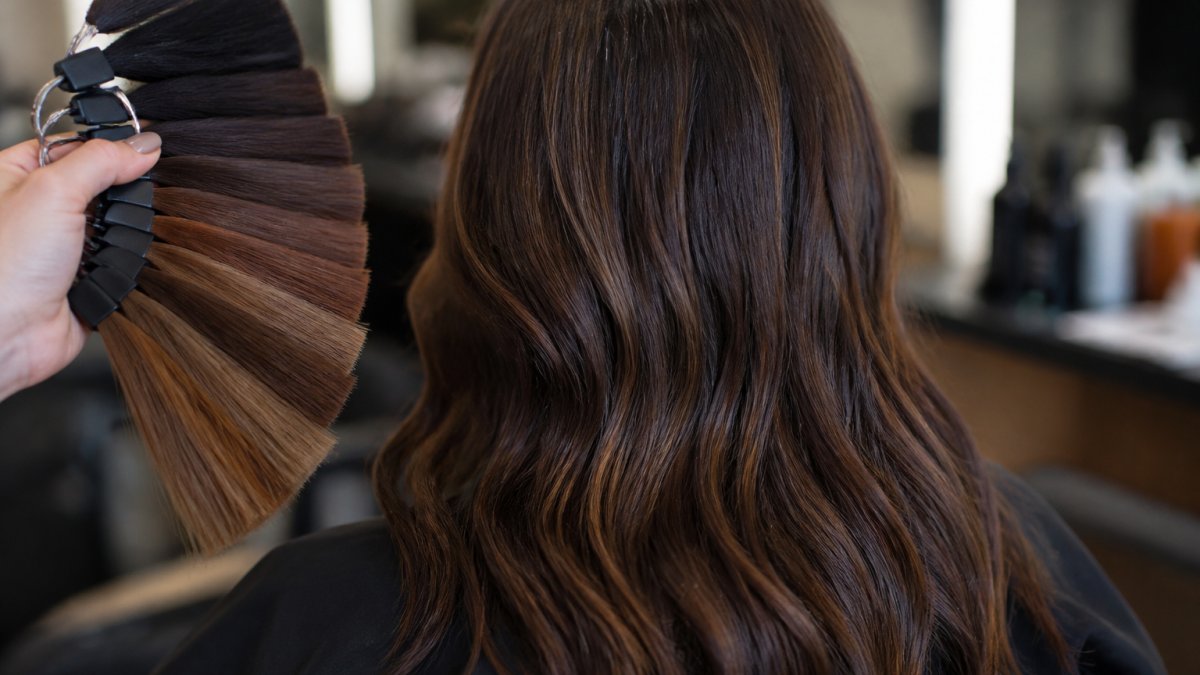
Chocolate brown is a rich, deep shade that works across many skin tones. It's warm without being orange. Cocoa brown sits slightly lighter, with more warmth and depth. Mocha brown blends chocolate tones with subtle warmth, creating a sophisticated look.
These shades work well for:
- Deep skin tones that want richness
- Fair skin that wants contrast
- Anyone seeking a bold, classic look
Mocha brunette hair color is versatile: it reads deeper indoors and shows warm undertones in sunlight.
Caramel, Honey, and Golden Tones
Caramel brunette hair color brings warmth and brightness. Honey brown is lighter with golden warmth, while golden brown sits between the two for balance.
These shades suit:
- Medium to fair skin tones
- Anyone wanting a softer, sun-kissed feel
- People looking for dimension without bleaching
Honey brown and caramel tones catch light beautifully, creating dimension even without highlights.
Ash, Cool, and Neutral Brunettes
Ash brown has cool undertones without red or gold, suiting cool skin tones with a modern look. Neutral brunettes balance warm and cool, working for most skin tones.
Cool brunette hair color works for:
- Cool skin tones with pink or blue undertones
- Anyone avoiding warm tones
- Those seeking a contemporary aesthetic
Ash brown can appear silvery in certain light and pairs well with fair or olive skin. Neutral brunettes are forgiving because they don't emphasize either undertone.
Choosing Brunette Hair Color for Your Skin Tone
Your skin tone guides brunette shade selection. The goal is harmony between hair and complexion, so your face looks brighter and your hair richer.
Warm Undertones and Deep Skin
If your skin has warm, golden, or peachy undertones, warm brunette shades complement you, chocolate brown, caramel, honey, and golden brown all echo your natural warmth.
Deep skin tones carry rich, saturated colors beautifully; dark chocolate brown, mocha, and warm caramel all shine.
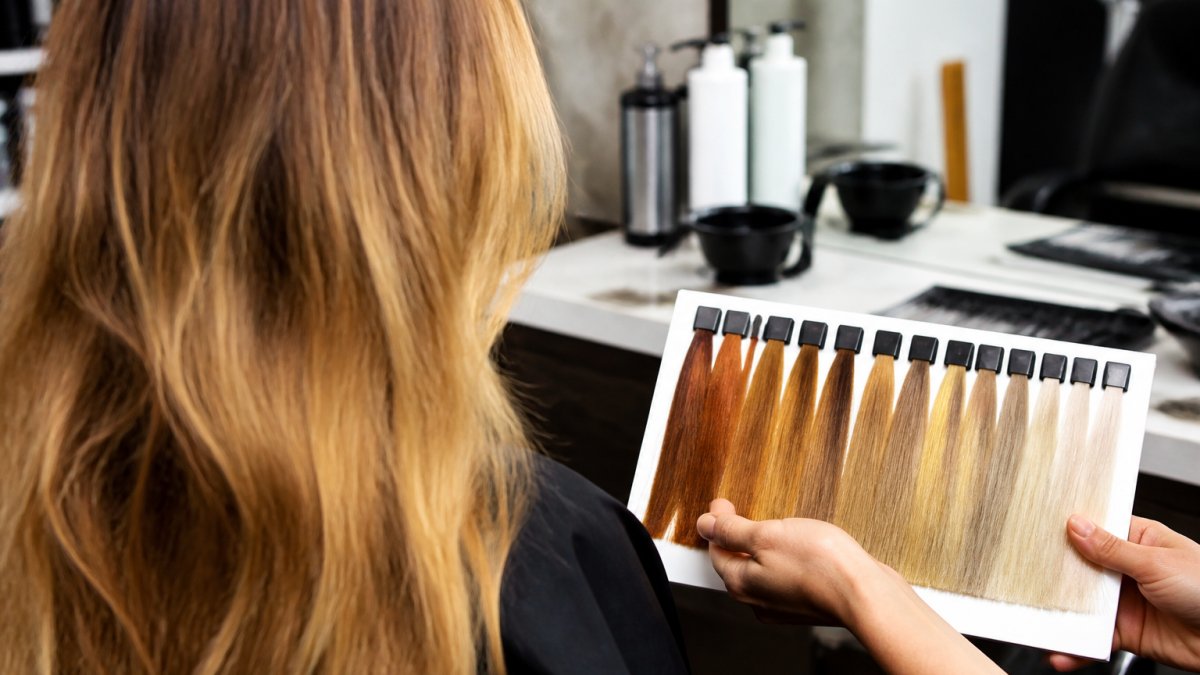
Test shades by holding color swatches next to your face. Warm shades should make your skin glow, not appear ashy or dull.
Cool Undertones and Fair Skin
Cool undertones appear as pink, red, or blue in your skin. Ash brown, cool brunette, and neutral shades suit you without clashing with your natural coloring.
Fair skin with cool undertones can wear lighter ash browns beautifully for definition. Avoid very warm caramel or golden tones, which may wash out cool skin.
Neutral Undertones and Medium Skin
Neutral undertones mean you can wear both warm and cool shades, choosing by mood or season rather than restriction.
Many neutral-toned people find their best match in balanced shades, mocha, balanced caramel, and neutral browns that are neither too warm nor too cool.
Brunette Hair Color Ideas for Dimension
Solid brunette hair color is beautiful, but dimension makes it more interesting by adding depth and movement.
Dimension works by:
- Placing lighter tones where light naturally hits (face-framing, crown)
- Adding darker tones to create shadow and depth
- Using multiple shades within the brunette family
Dimensional brunette looks more modern and hides root growth better than solid color, blending regrowth naturally.
Consider these dimensional approaches:
- Darker roots with lighter mid-lengths and ends
- Face-framing pieces in a lighter shade
- Scattered lighter pieces throughout
- A blend of two or three shades in the brunette family
Adding Depth with Brunette Balayage
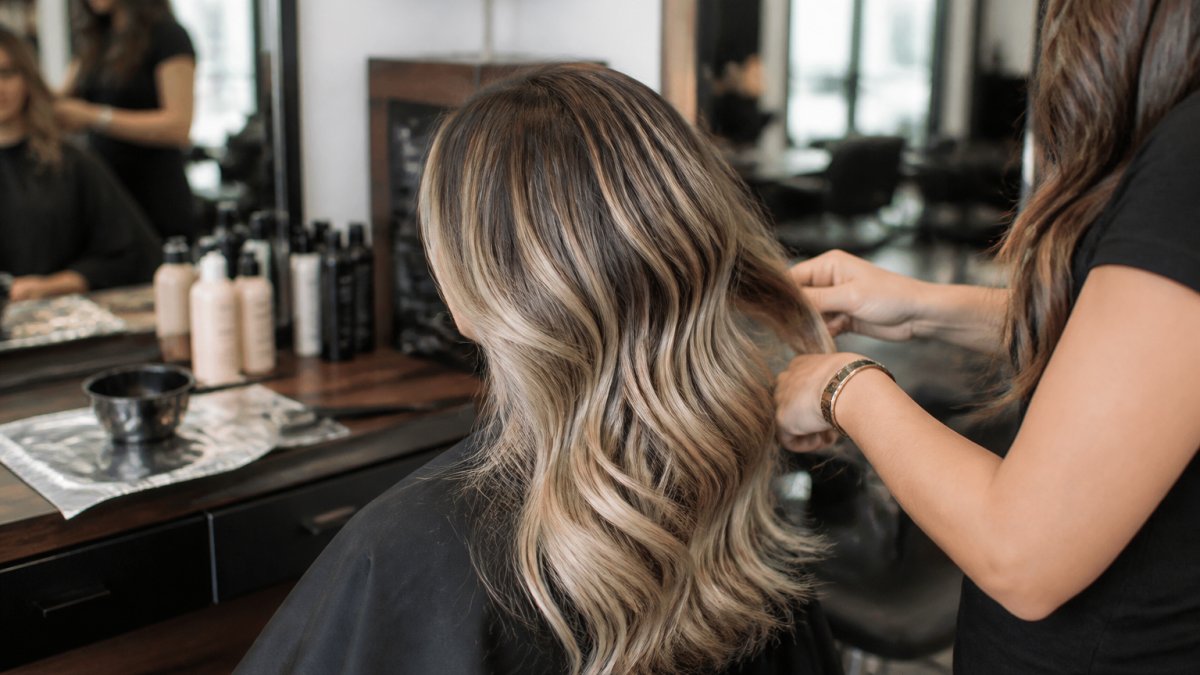
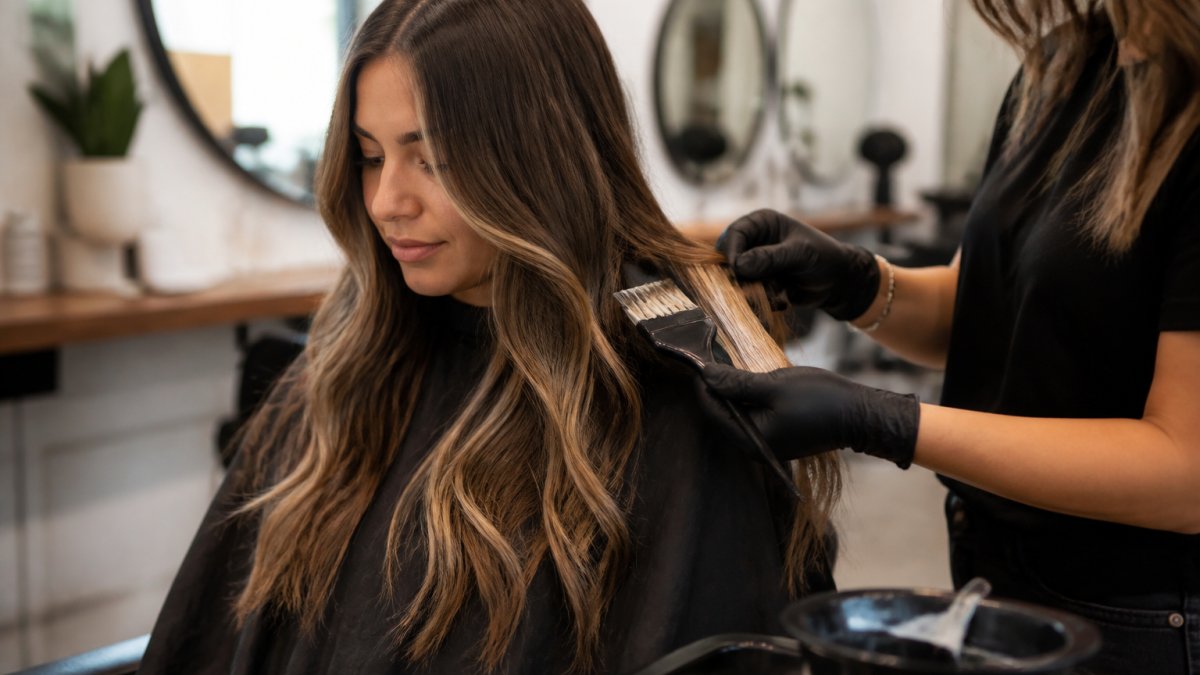
Brunette balayage is a hand-painted technique that creates natural-looking dimension by placing lighter tones where the sun would naturally lighten hair, for a lived-in, sun-kissed effect.
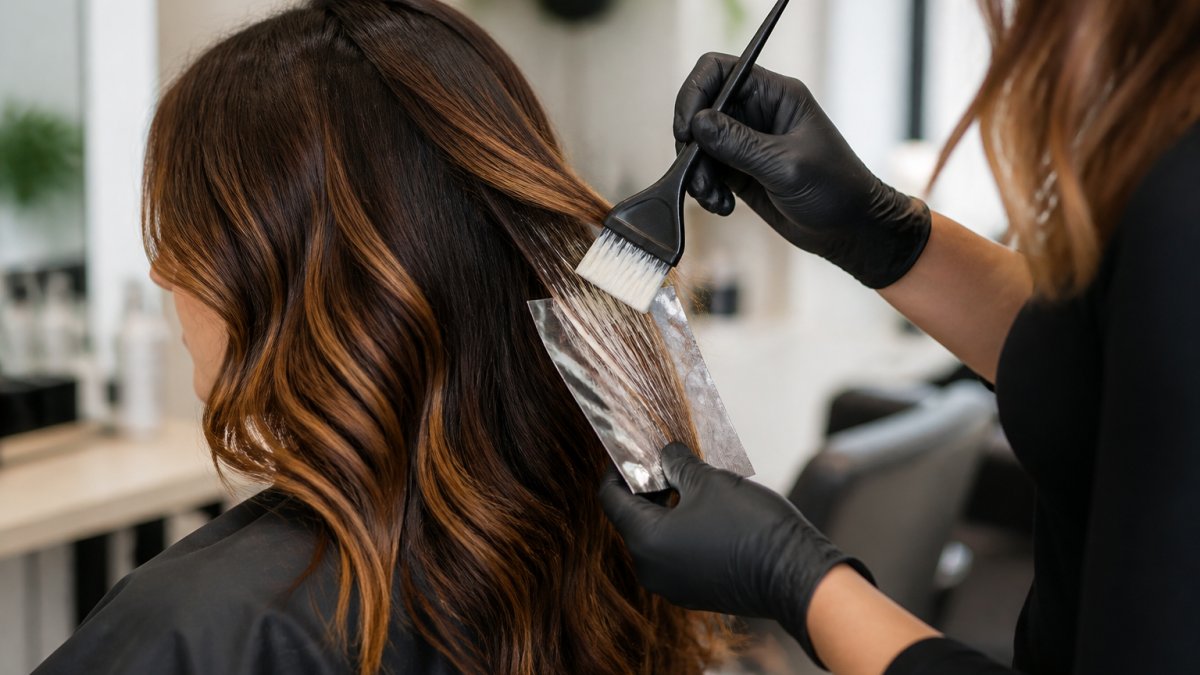
Balayage works beautifully with brunette hair color because:
- It mimics natural color variation
- Lighter pieces brighten the face
- Root regrowth blends seamlessly
- It's low-maintenance compared to full highlights
Brunette balayage can range from subtle, adding just a hint of dimension, to bold, creating noticeable contrast between light and dark tones.
The beauty of balayage is customization: face-framing pieces brighten your complexion, crown pieces add fullness, and end pieces create a sun-kissed effect.
At Moon Hair Beauty in Brea, we specialize in custom brunette balayage. We assess your hair type, starting color, and goals before painting.
Brunette Hair Color Maintenance and Care
Brunette color fades for predictable reasons. Most fading comes from water exposure, cleansing agents, heat, and UV light gradually lifting surface pigment and shifting tone. Brown shades are especially prone to warm underlying pigment becoming visible, so a chocolate or ash brown can drift toward orange or brass over time.
What actually causes brunette fading
- Water and washing. Every wash removes some surface pigment. Hot water opens the cuticle more, which lets color escape faster than cool or lukewarm water.
- Cleansing agents. Stronger shampoos strip color more aggressively than gentle, color-safe formulas.
- Heat styling. Flat irons, curling wands, and high-heat blow-drying can dull the cuticle and accelerate tone loss, especially without a heat protectant.
- UV exposure. Sunlight fades color the same way it fades fabric. This is often the most overlooked factor for clients who spend time outdoors.
- Chlorine and saltwater. Both can pull color and leave hair feeling rougher, which makes the shade look flatter.
A practical care routine
You don't need a rigid schedule, just a few consistent habits:
- Use a color-safe shampoo and conditioner, and wash in lukewarm or cool water when you can.
- Rinse hair before swimming so it absorbs less chlorinated or salty water, and rinse again afterward.
- Apply a heat protectant before any hot tool, and keep the temperature moderate.
- Deep condition periodically to keep the cuticle smooth, which helps color reflect light and look richer.
- Consider a gloss or toner refresh when tone starts drifting, rather than waiting for a full color service.
Root touch-ups and timing
How often you return depends on your technique, starting color, growth rate, and goals. A solid brunette with gray coverage tends to show regrowth sooner than a dimensional balayage, where the transition is intentionally soft. Your colorist can map out a plan that fits your hair and lifestyle rather than a one-size-fits-all interval.
When to book a professional refresh
If your color looks dull, brassy, uneven, or noticeably different from what you wanted, that is a signal to book rather than experiment. If you are unsure whether your hair needs a simple gloss or a fuller service, book a consultation and we will assess it in person. You can also review our hair color and balayage services to see how we approach maintenance and refreshes.
Starting Color and Color Correction Considerations
Your starting point determines almost everything about how a brunette service will go. Two clients can request the same chocolate brown and need completely different plans, because depositing pigment is easy while removing it is where the real work and risk live. Here is how different starting points typically change the approach.
Natural, undyed hair
If your hair has never been colored, the plan is usually the most straightforward: we deposit the target brunette shade directly, and the result tends to be predictable. The main variables are your natural level and undertone, which influence how warm or cool the final shade reads.
Previously colored hair
Color does not simply sit on top of old color without consequence. Previously lightened hair is more porous, absorbing new pigment unevenly and looking darker or flatter than expected. Previously darkened hair usually requires lifting, where banding, patchiness, and damage risk appear. Mid-lengths and ends often behave differently from roots because they have more chemical history, which is why a colorist assesses the whole strand.
Gray coverage
Gray hair has a different texture and resists pigment more, often needing a formula designed for coverage. The percentage of gray affects how the final shade reads, so a brunette that looks rich on mostly pigmented hair can look cooler or more translucent on significant gray unless the formula is adjusted.
Lightened or highlighted hair
Lightened hair is more porous and can grab brunette pigment quickly, sometimes turning out darker than the swatch suggested. It can also be more fragile, limiting how much additional lightening is safe. In these cases, we often build the brunette shade gradually rather than reaching the final target in one session.
When color correction is the right call
Color correction is not a single service. It is a process for addressing brassy tones, uneven patches, banding, or damage that affects how color takes. Because outcomes depend on your hair's condition and history, no one can promise a specific result before seeing and feeling the hair in person. We can explain what is realistic, what might take more than one visit, and where the risks are.
Safety and patch testing
Any professional color service should include a patch test, especially if you have sensitive skin or a history of reactions. Tell your colorist about allergies, scalp conditions, or medications that affect skin sensitivity. Good ventilation matters too, both for you and for the person applying the color.
What to bring to your consultation
- Photos of the brunette shade you want, ideally in different lighting
- An honest history of every color, bleach, or straightening service you have had
- Any at-home color or gloss you have used, including how long ago
- Your realistic maintenance preferences, so we can factor that into the plan
At Moon Hair Beauty in Brea, we walk through your hair history before any color service. We explain what is achievable, what may take multiple sessions, and what could put your hair at risk. If you are ready to talk through your starting point and goals, book a consultation and we will build a plan around your hair. You can also explore our hair color and balayage services to see how we approach correction and custom color.
Getting Your Brunette Color Right in Brea
At Moon Hair Beauty in Brea, we listen first. We ask about your lifestyle, maintenance commitment, and goals, then assess your skin tone, undertones, and hair condition.
Ready to explore brunette hair color? Book a consultation with our team. Visit our hair color and balayage page to learn more about our approach.
Choosing the right brunette shade is about more than picking a color from a chart, it's about your skin tone, your hair's needs, and what makes you feel confident. At Moon Hair Beauty, we combine technical expertise with personalized consultation to help you find exactly that. Book your color consultation today and discover your perfect brunette.
Frequently Asked Questions
How do I choose a brunette hair color for my skin tone?
Your undertone is the key. If your skin has warm undertones, chocolate, caramel, and golden browns complement you best. Cool undertones pair well with ash, cool brunettes, and deeper chocolate shades. Neutral undertones work with most brunette families. The easiest way to test is to hold swatches near your face in natural light, or book a consultation so we can assess your unique coloring and recommend shades that will make your features shine.
What's the difference between chocolate, mocha, and caramel brunette hair?
Chocolate browns are deep, rich, and warm with minimal red undertones. Mocha adds warmth and slight reddish hints, creating a coffee-inspired depth. Caramel is lighter and more golden, with honey-like brightness. Each works differently depending on your starting color and skin tone. We can show you how each would look during a consultation and help you pick the shade that matches your vision.
How often does brunette hair color need maintenance?
Timing depends on your specific shade, starting color, and how your hair processes color. Warmer brunettes like caramel and honey may shift or fade faster than cooler ash browns. Most clients return for touch-ups when they notice fading or when roots become visible. We'll discuss your lifestyle and color goals during your appointment and give you realistic expectations for your unique situation.
Can balayage add dimension to brunette hair?
Yes. Brunette balayage uses hand-painted highlights in complementary shades, caramel, honey, or lighter brunette tones, to create depth and movement. This technique works well whether you're starting with a solid brunette or refreshing existing color. The result looks natural and grows out gracefully. We can customize the placement and intensity to match your hair texture and the look you want.